
Youth Sector

Health Sector
The Health Sector brings together member organisations working to improve health outcomes and strengthen community resilience across Zimbabwe. Its primary focus is to enhance the capacity of NGOs to effectively respond to a wide range of health-related challenges, including public health emergencies such as the COVID-19 pandemic, as well as ongoing priorities like HIV prevention, treatment, care, and impact mitigation.
In addition, the sector promotes increased attention to Non-Communicable Diseases (NCDs), encouraging members to scale up interventions in areas such as cancer screening, hypertension management, and diabetes prevention and care. Recognising the interconnected nature of health and social wellbeing, the sector also advances programming in Sexual and Reproductive Health and Rights (SRHR) and works to address Gender-Based Violence (GBV) through community-based approaches.
A key priority for the Health Sector is ensuring that interventions are inclusive and responsive to the needs of the most at-risk and vulnerable populations. These include women, children, orphans and vulnerable children, persons with disabilities, and key populations such as sex workers. The sector adopts a holistic approach that integrates health, psychosocial support, human rights, education, and economic empowerment.
Furthermore, the sector emphasises the importance of evidence-based programming, encouraging all member organisations to conduct thorough needs assessments prior to implementing interventions. This approach ensures community ownership, relevance, and sustainability of health programmes. Through collaboration, advocacy, and capacity strengthening, the Health Sector contributes to building a healthier, more equitable society for all.
Children’s Sector
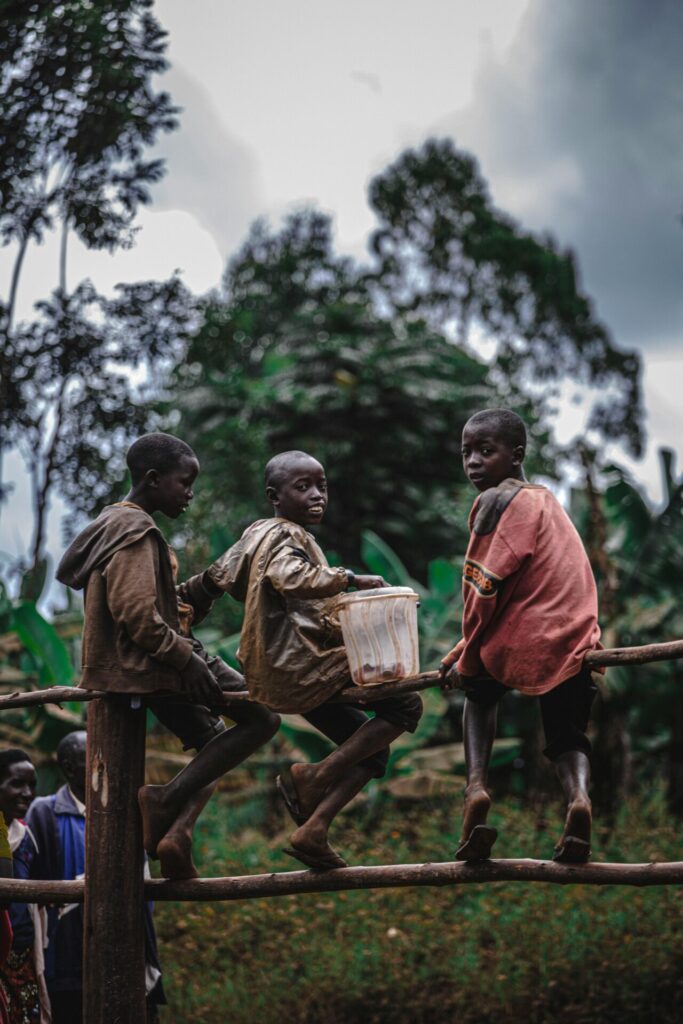
The Children’s Sector is dedicated to promoting, protecting, and advancing the rights and well-being of all children in Zimbabwe. Grounded in a rights-based approach, the sector works to ensure that every child is afforded the opportunity to grow, learn, and thrive in a safe, supportive, and enabling environment.
Despite ongoing efforts, many vulnerable children continue to face significant barriers to accessing quality education, often due to inadequate resource allocation within the education sector. Limited access to schooling not only undermines children’s empowerment but also increases their susceptibility to various forms of abuse, exploitation, and long-term socio-economic disadvantage.
In an increasingly digital world, the sector also recognises the dual impact of technology. While it has contributed to national development and access to information, it has simultaneously exposed children to risks such as early access to inappropriate content. This has, in some instances, contributed to premature sexual activity, teenage pregnancies, and cases of peer-related sexual abuse, highlighting the need for strengthened child protection mechanisms in both physical and digital spaces.
Furthermore, certain traditional, cultural, and religious practices—particularly in some rural communities—continue to negatively affect children’s well-being. Harmful practices such as child marriage, as well as the denial of basic rights like education and healthcare (especially for girls), remain areas of critical concern that require sustained advocacy and community engagement.
The sector also acknowledges the evolving social dynamics within families and communities. The erosion of traditional safety nets, including the extended family system, has led to an increase in cases of child neglect, abandonment, and the emergence of child-headed households. These challenges are often compounded by domestic violence, various forms of child abuse, and complex family structures, including what is commonly referred to as the “step-parent syndrome.”
In response, the Children’s Sector prioritises robust advocacy, awareness-raising, and community education to address these issues. It promotes interventions that safeguard children’s rights, strengthen child protection systems, and empower communities to take an active role in the care and protection of children. By fostering collaboration among stakeholders and amplifying the voices of children, the sector seeks to secure a safer, more equitable future for Zimbabwe’s next generation.
Women’s Sector
The Women’s Sector is dedicated to advancing the development, rights, and protection of women across Zimbabwe. It brings together member organisations working to promote gender equality, empower women, and address systemic barriers that limit their full participation in social, economic, and political life.
Zimbabwe has made notable progress in establishing legislative frameworks that safeguard women’s rights, including constitutional provisions and laws aimed at addressing GBV. However, despite these advancements, challenges such as domestic violence and various forms of abuse remain prevalent. A key gap lies in limited awareness and access to justice, particularly among women at the grassroots level, who may not fully understand how to utilise existing legal protections to defend their rights.
The sector also highlights the persistent underrepresentation of women in decision-making and leadership positions across government, the private sector, and political institutions. Ensuring that women have a meaningful voice in shaping policies and development priorities remains a critical area for advocacy and reform.
In addition, many women continue to face structural inequalities in accessing and controlling productive resources such as land, livestock, financial assets, and equipment. These limitations hinder their economic empowerment and reinforce cycles of poverty and dependency.
In response, the Women’s Sector prioritises advocacy, capacity building, and awareness-raising initiatives aimed at promoting gender equity and strengthening women’s agency. This includes supporting calls for the effective implementation of policies such as quota systems to enhance women’s representation in leadership and decision-making spaces. The sector also works to advance women’s economic empowerment by promoting equitable access to resources and opportunities.
Through coordinated action and sustained engagement, the Women’s Sector seeks to create an inclusive society where women’s rights are fully realised, their voices are heard, and their contributions to national development are recognised and valued.
Observations have shown often when people with disabilities get ill they are not given
treatment but left to the “hand of God”. They are less likely to be sent to school (even if
physically possible), for fear that they will not cope; that their disclosure will stigmatise the
family and affect the marriage prospects of siblings; or that they are not a worthwhile
investment and others should get priority. The Convention on the Rights of Persons with
Disabilities, which is both a human rights treaty and a development tool, provides an
opportunity to strengthen developmental policies related to the implementation of
internationally agreed development goals, such as the Sustainable Development Goals
(SDGs), thereby contributing to the realisation of a “society for all” in the twenty-first century.
in this thematic sector are covering a wide range from environmental conservation to
agriculture. Especially in the priority field of agriculture – warrant of food security – current
initiatives focus on increasing the productivity within farms; training farmers on climatic
adaptation, water, and soil conservation techniques; as well as food sovereignty through
production and storage of grains and livestock management. Another very critical field of
actual NGO engagement is around climate change: NGOs sensitize about the repercussions
spreading from global warming and how people can countervail this climate change.